Blog ·
Maximizing Your Closet Space: Design Strategies for Every Room
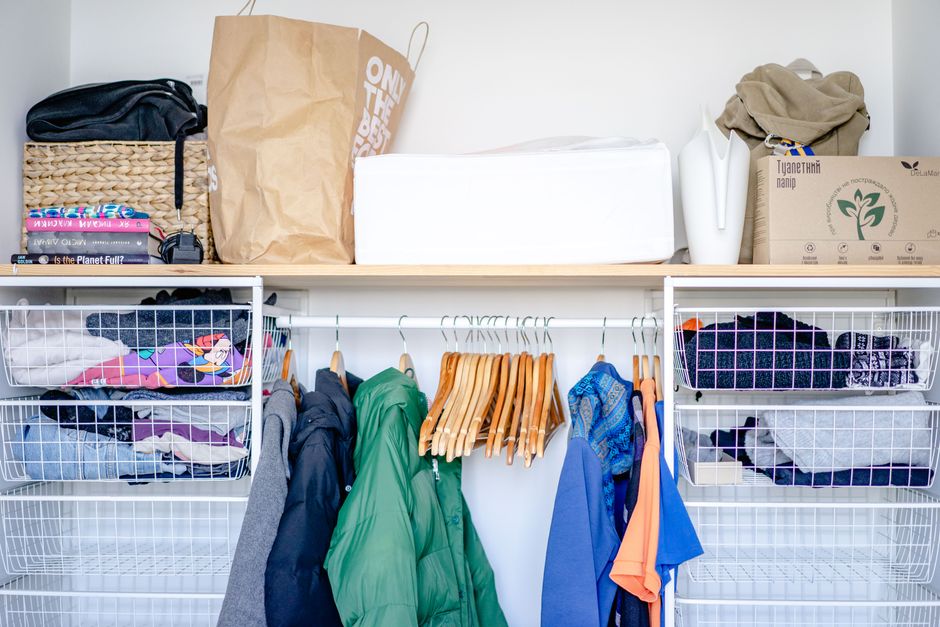
Your closet is more than just a storage space—it's a functional part of your home that impacts your daily routine. Whether you're working with a small bedroom closet or a sprawling walk-in, the key to success lies in thoughtful design and organization. A well-designed closet saves time, reduces stress, and makes getting dressed enjoyable.
Assess Your Current Space
Before making any changes, take inventory of what you actually own. Pull everything out and be honest about what you wear regularly versus what's taking up valuable real estate. This process helps you understand your storage needs and prevents over-designing for items you don't actually use.
Vertical Storage Solutions
Most closets have significant unused vertical space above existing rods and shelves. Installing additional shelving or double-hanging systems can nearly double your storage capacity. Consider these approaches:
- Double-hanging rods for shirts and pants
- Tall shelving for seasonal items or folded clothing
- Upper shelves for rarely-used items or storage boxes
Zones and Categories
Organize your closet by category—work clothes, casual wear, formal occasions, and accessories. This zone approach makes finding items faster and helps you see gaps in your wardrobe. Group similar items together so you can quickly grab what you need without disrupting the entire closet.
Lighting Matters
Poor lighting makes it difficult to match colors and find items quickly. Good task lighting, especially inside your closet, reveals the true colors of your clothing and helps you make better outfit choices. Brighter spaces also feel larger and more inviting.
Drawer and Shelf Dividers
Folded items need structure to maintain organization. Dividers prevent stacks from collapsing and keep similar items separated. This is particularly useful for items like sweaters, jeans, and accessories that benefit from visible storage rather than hanging.
Accessibility Is Key
Design your closet with accessibility in mind. Keep frequently worn items at eye level and arm's reach. Seasonal items can live in higher or lower zones. Specialty pieces should be easily accessible but not taking up prime real estate for everyday clothing.
Plan for Growth
As your life changes, your closet needs will too. Design flexibility into your system so you can adapt without a complete overhaul. Modular systems and adjustable shelving allow you to modify your storage configuration as your lifestyle evolves.
A well-designed closet works with your lifestyle rather than against it. When organization comes naturally through thoughtful design, maintaining it becomes effortless.